About Allen Bradley 1764-28BXB MicroLogic 1500 Programmable Logic Controller
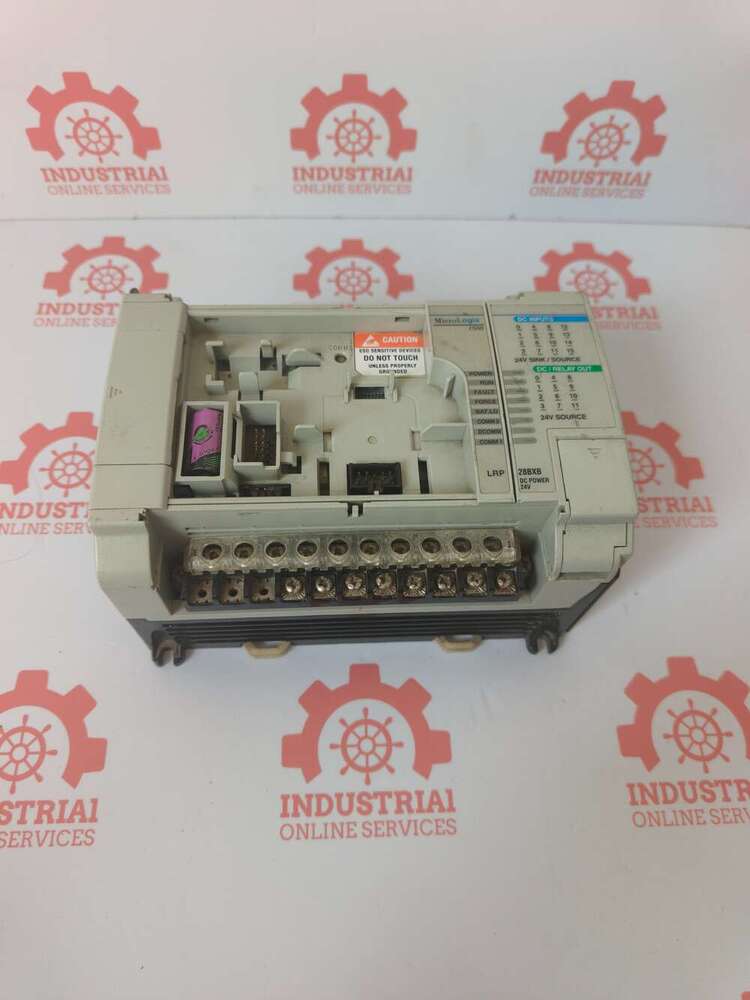
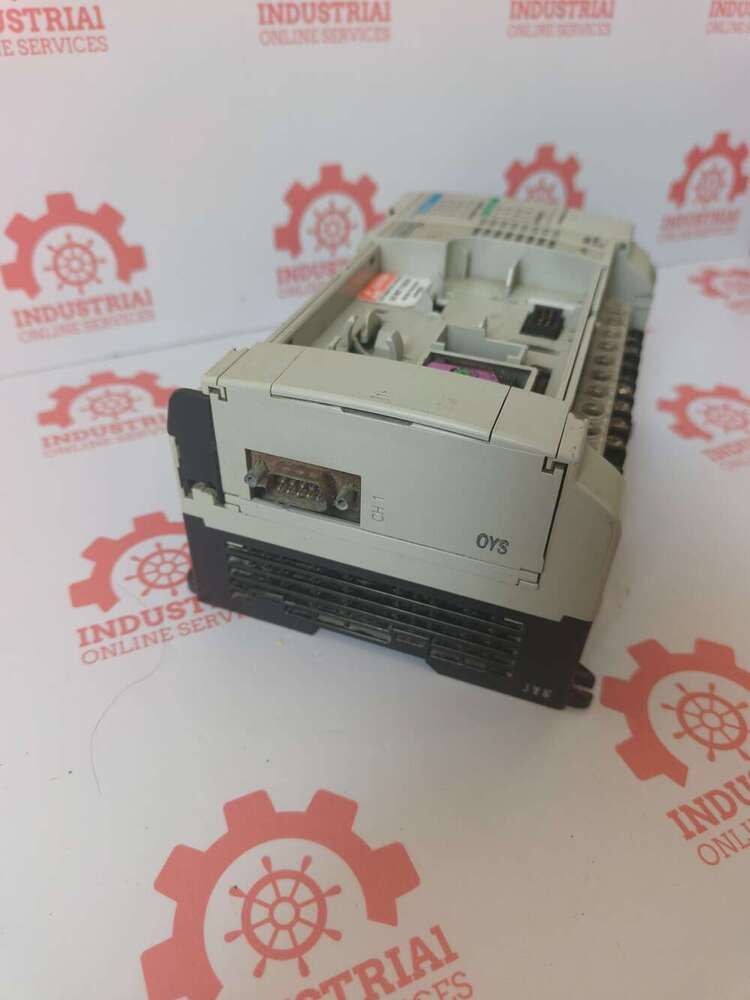
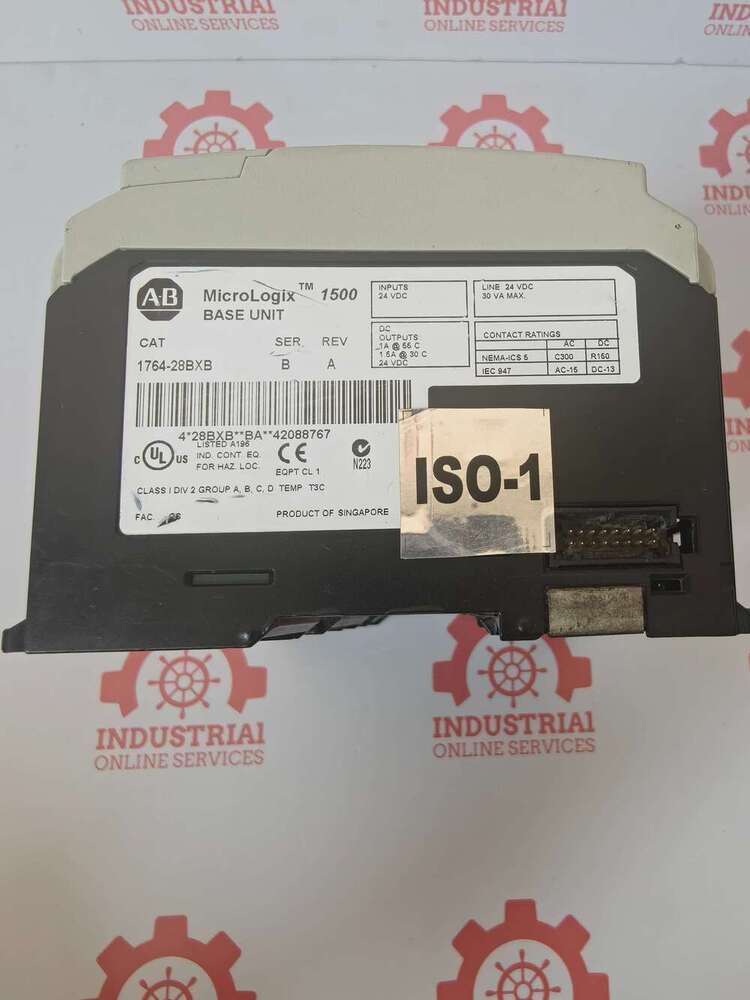
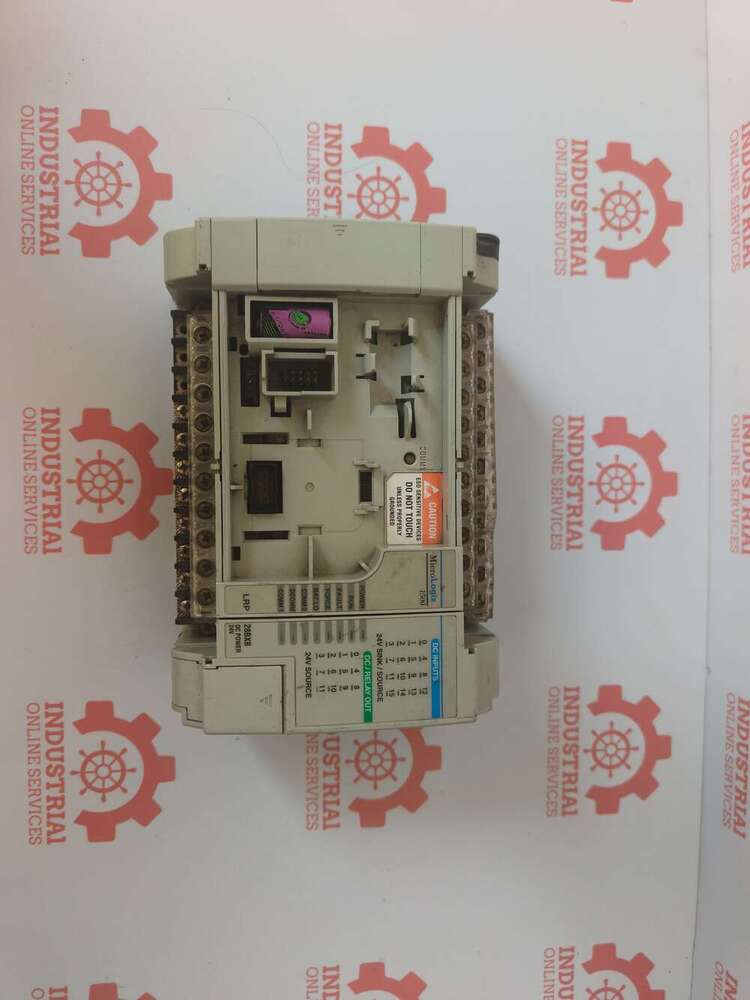
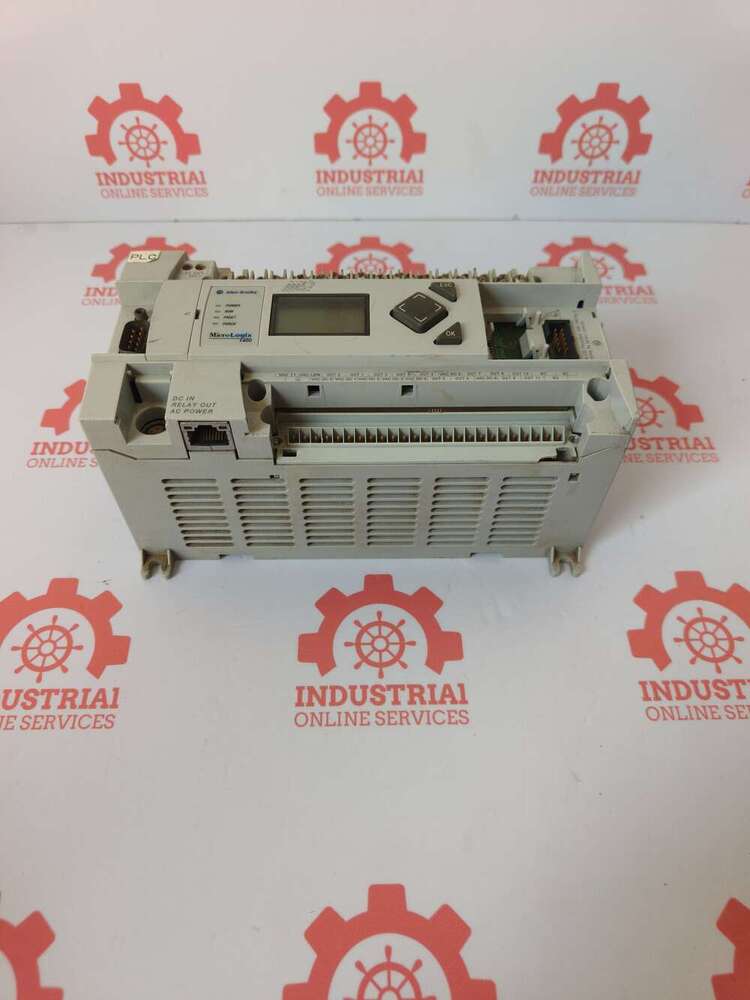
Allen Bradley 1764-28BXB MicroLogic 1500 Programmable Logic Controller
The Allen-Bradley 1764-28BXB is a 24V DC-powered modular I/O base unit belonging to the MicroLogix 1500 Programmable Logic Controller (PLC) platform. It features 28 embedded I/O channels consisting of 16 inputs and 12 outputs, and it is designed to interface directly with 1764-LSP or 1764-LRP processor units
- Power Requirements: Operates on a line voltage range of 20.4V to 30.0V DC with a total power usage rating of 30 Watts.
- Input Points (16 total): Divided into 8 standard 24V DC inputs and 8 fast 24V DC inputs. The 8 fast inputs support high-speed processing up to 20 kHz.
- Output Points (12 total): Configured as 6 relay outputs (2 isolated relays per unit), 4 standard 24V DC FET transistor outputs, and 2 fast DC FET transistor outputs. The 2 fast outputs support high-speed frequencies up to 20 kHz.
- System Expansion: Serves as the system backplane, enabling expansion of up to 512 total I/O points by connecting additional compact expansion modules.
- Physical Assembly: Mountable via standard DIN rail or panel mounting paths, measuring 5.43 x 6.62 x 3.43 inche
Advanced Digital Control and FlexibilityThe 1764-28BXB MicroLogix 1500 PLC delivers adaptable digital control with 16 digital input points and 12 outputs, combining both relay and transistor types for versatile application. Its isolated inputs and mixed outputs enable seamless operation in complex industrial and machine control systems, optimizing efficiency and reliability.
Robust Communication and Expansion OptionsEquipped with RS-232 and RS-485 communication ports that support Modbus protocols, this PLC offers strong connectivity for integration with other industrial devices. The ability to expand using 1764 modules ensures scalability, accommodating growing system requirements effortlessly.
User-friendly Programming and Reliable BackupProgramming is streamlined with compatibility for RSLogix Micro and RSLogix 500 software. Data integrity and system uptime are safeguarded through a user-replaceable battery and EEPROM/Flash memory backup, guaranteeing long-term operational reliability under demanding industrial conditions.
FAQ's of Allen Bradley 1764-28BXB MicroLogic 1500 Programmable Logic Controller:
Q: How do I program the Allen Bradley 1764-28BXB MicroLogix 1500 PLC?
A: You can program the 1764-28BXB using RSLogix Micro or RSLogix 500 software, which provide user-friendly interfaces for configuring logic, setting I/O parameters, and downloading programs to the PLC via the RS-232 or RS-485 communication ports.
Q: What environments is the 1764-28BXB PLC suitable for?
A: This PLC is designed for industrial automation and machine control, functioning reliably in environments with temperatures from 0C to 55C and humidity levels from 5% to 95% non-condensing. Its IP20 protection rating and robust construction further enhance its suitability for various factory settings.
Q: When should I replace the PLC's battery, and how is backup memory maintained?
A: The user-replaceable battery should typically be changed every two years to ensure reliable backup. Critical data is also retained in EEPROM/Flash memory, maintaining program storage during power loss or battery replacement.
Q: Where can I install the MicroLogix 1500 1764-28BXB?
A: Installation is flexible, allowing mounting on a standard DIN rail within a control cabinet or panel. Its compact dimensions (approx. 90 x 110 x 87 mm) and open-type enclosure make it well-suited for integration into existing industrial control systems.
Q: What are the key benefits of using this PLC in industrial applications?
A: The key advantages are high-speed response (1 ms typical), versatile mixed outputs for diverse load control, advanced communications supporting Modbus, scalability through expansion modules, and dependable data retention for continuous operations.
Q: How does the 1764-28BXB handle different input and output types?
A: It supports isolated digital inputs (24V DC, sinking/sourcing) and both relay and transistor outputs, allowing control over a wide range of devices, such as sensors and actuators, enhancing its adaptability in complex automation scenarios.






 Send Inquiry

 Send Inquiry
 Send Inquiry
 Send SMS