About SINO SDS2 Digital Readout
SINO SDS2 Digital Readout
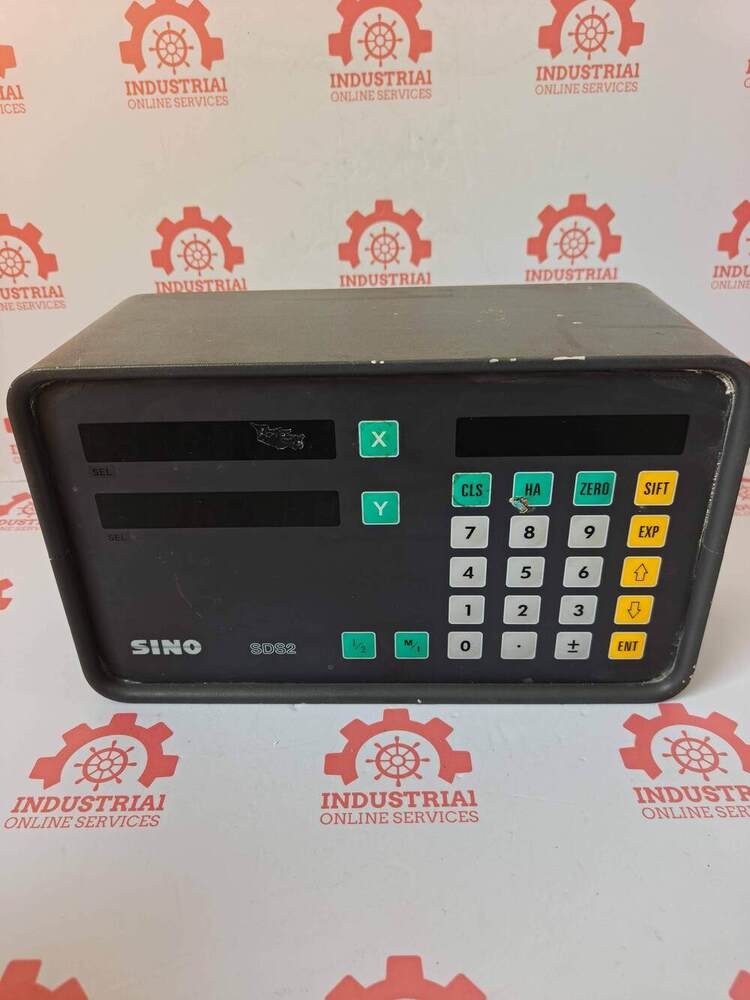
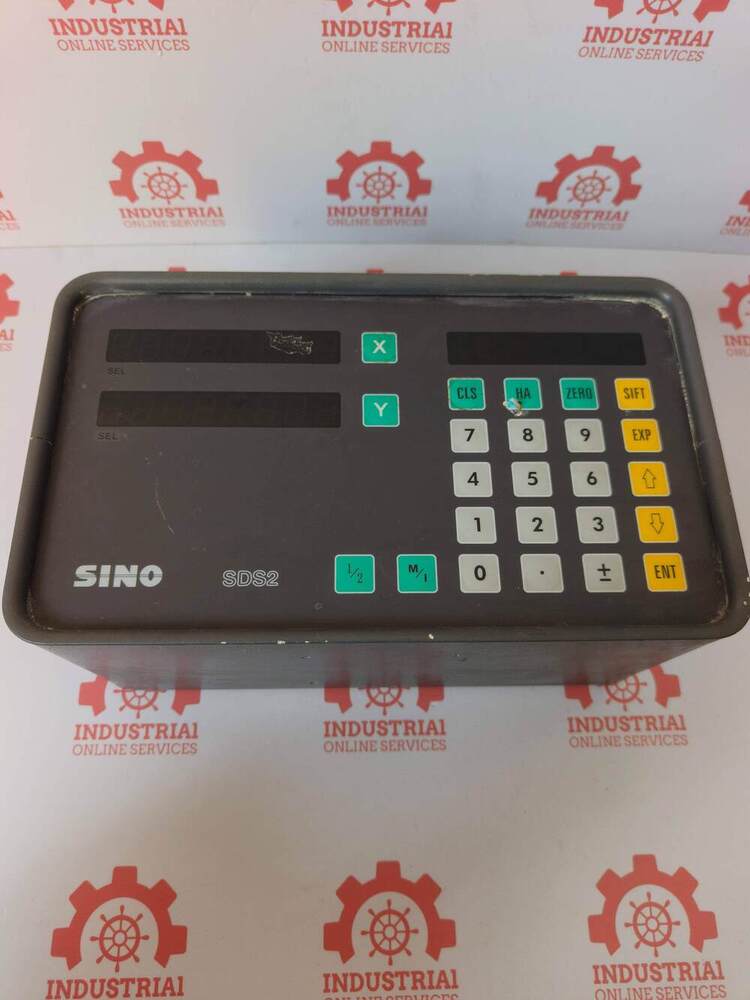
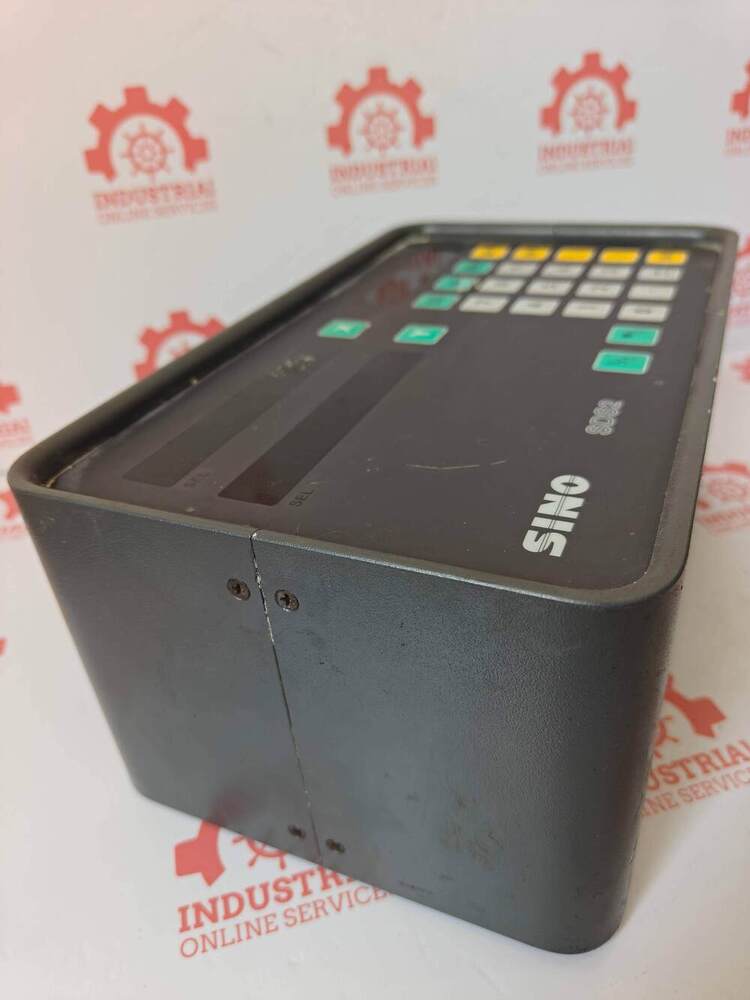
The SINO SDS2 is a series of Digital Readout (DRO) systems used on industrial machining equipment like lathes, milling machines, grinders, and boring machines. It serves as a display console that shows the exact measurement and position of the workpiece or machine tool during operation.
Key Features and Functions
- Multi-Axis Support: Usually supports 2 to 3 axes (X, Y, and Z) to monitor length, width, and depth.
- Linear Scale Compatibility: Connects directly to optical linear glass scales (such as the SINO KA-300 or KA-500) which physically track the machine's movements.
- Advanced Machining Functions: Includes a built-in calculator, Metric/Imperial (mm/inch) conversion, radius/diameter switching for lathe turning, and error compensation to maintain strict accuracy.
Precision Measurement for Machine ToolsThe SINO SDS2 Digital Readout provides accurate and reliable position information for a range of machine tools, including lathes, milling machines, and EDMs. Featuring a high-resolution LED numeric display and compatibility with linear encoders, it ensures that operators can achieve high levels of precision in their machining tasks. Its versatile design and user-friendly operation make it an excellent choice for both professional workshops and industrial settings.
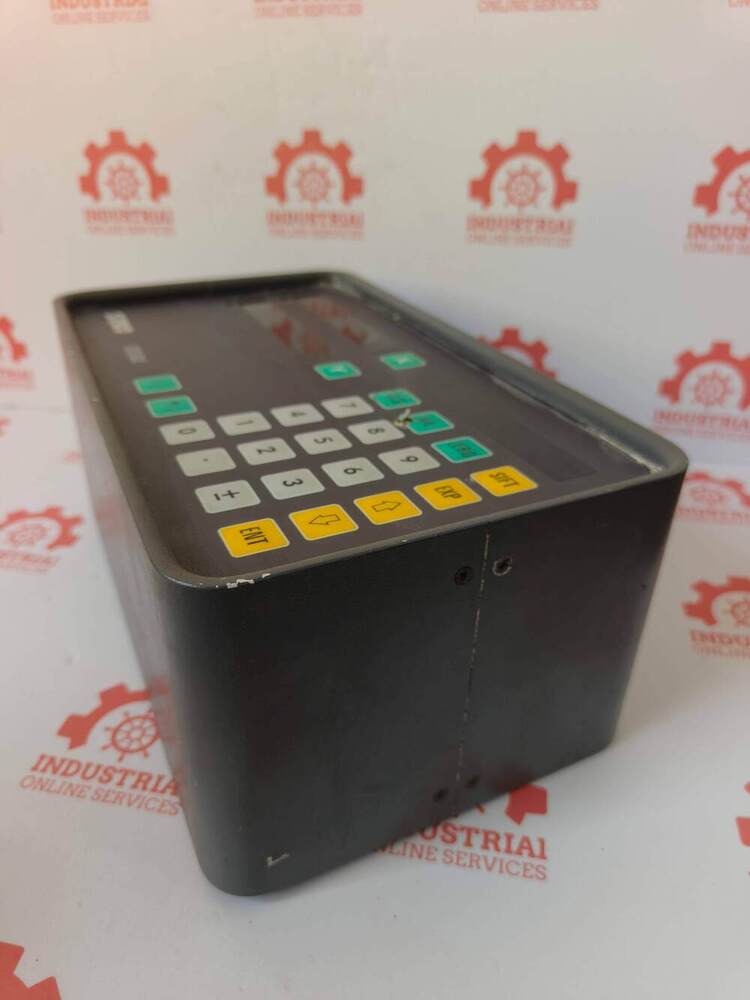
Robust Construction and Flexible MountingEngineered with a sturdy ABS/metal enclosure and rated at IP40 protection, the SDS2 is built to withstand the harsh conditions of machine shops. Its compact design and panel or benchtop mounting options ensure seamless integration into your workspace. The unit can handle wide temperature and humidity ranges, providing dependable service in diverse operating environments.
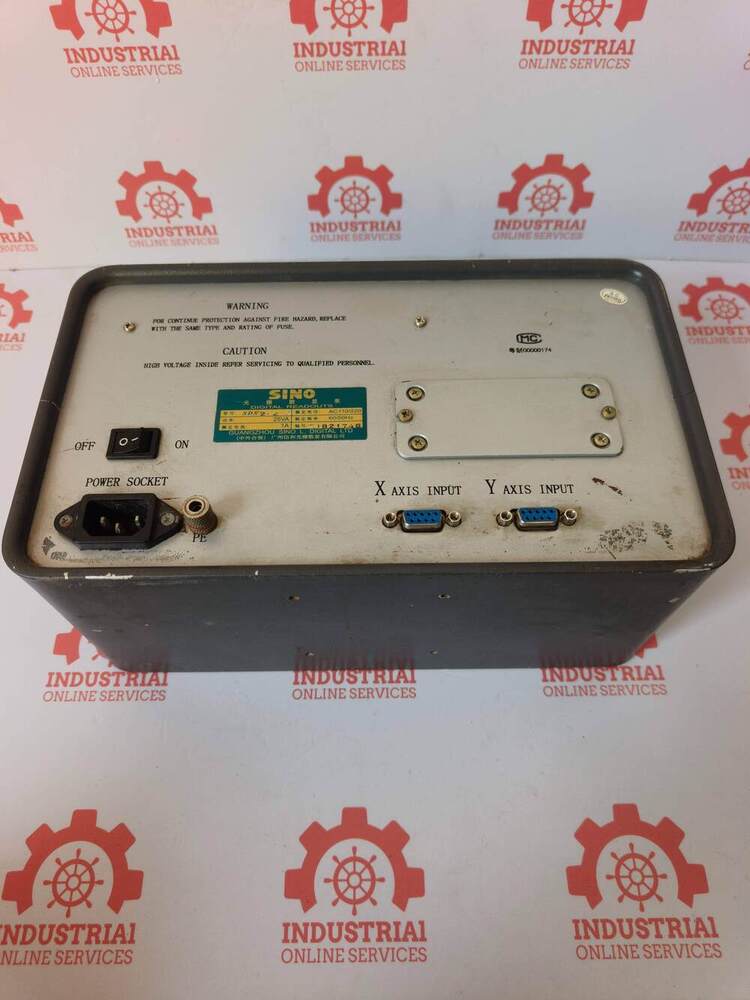
Convenient Features and Reliable PerformanceThis digital readout offers selectable resolution, a clear membrane keypad, and English language support, with potential compatibility for other languages. Equipped with non-volatile EEPROM memory, it retains measurement data even after power interruptions. Easy connectivity via DB9 encoder input and auxiliary output ports means setup and data transfer are straightforward, supporting efficient workflow in modern workshops.
FAQ's of SINO SDS2 Digital Readout:
Q: How do I select the resolution on the SINO SDS2 digital readout?
A: The SDS2 allows you to choose between 1m and 5m resolution settings. You can adjust this through the user-friendly membrane keypad by following the instructions detailed in the user manual provided with the unit.
Q: What types of machines is the SDS2 digital readout suitable for?
A: This model is compatible with a range of machines, including milling machines, lathes, grinders, and EDM equipment, enabling precise position display and measurement integration for varied industrial applications.
Q: When should I use non-volatile EEPROM memory?
A: Non-volatile EEPROM memory is always active, automatically retaining your measurement data and settings even after the power is turned off, enhancing reliability and minimizing data loss during outages or machine shutdowns.
Q: Where do I connect the linear encoder to the SDS2?
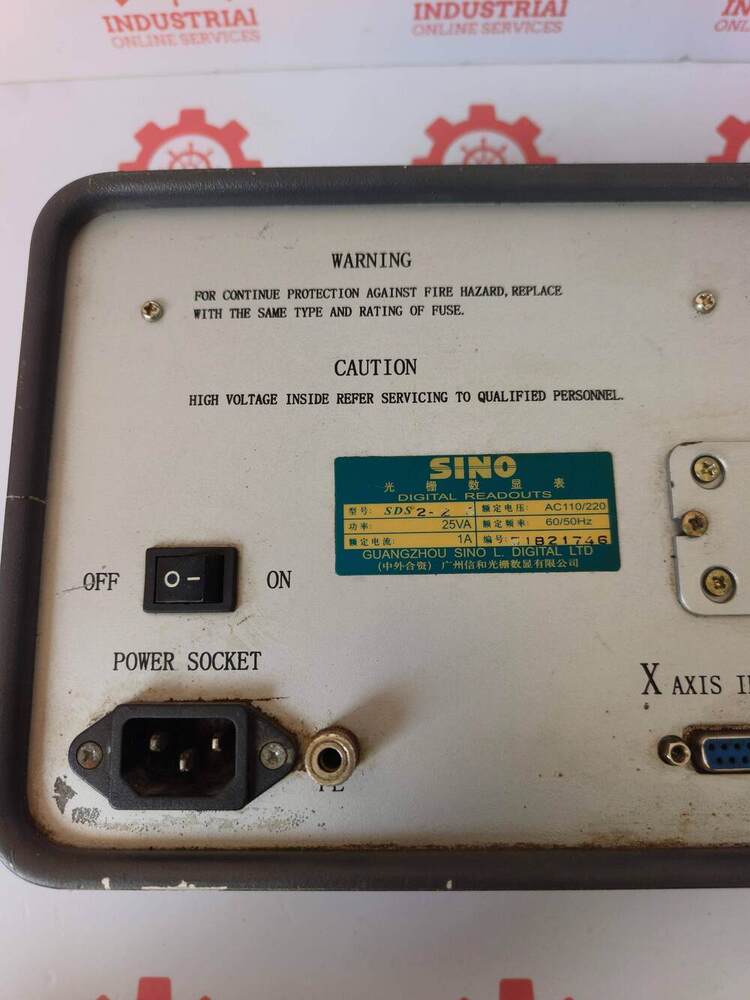
A: Linear encoders are connected to the SDS2 via the DB9 interface ports located at the rear of the display unit. These ports ensure secure and stable encoder input for accurate measurement.
Q: What is the benefit of the LED numeric display on the SDS2?
A: The LED numeric display provides high visibility and clear readings, reducing operator errors and increasing precision during machining processes. Its clarity and responsiveness contribute to smoother workflow and improved accuracy.
Q: How is the SDS2 digital readout powered, and does it require batteries?
A: The SDS2 operates directly from the AC mains supply, supporting voltages from 85V to 250V. It does not require batteries, ensuring continuous operation without the need for battery replacements or recharging.
Q: What accessories are supplied with the SDS2 display unit?
A: Standard accessories include a detailed user manual, mounting brackets for flexible installation, and a power cable. These accessories facilitate quick setup and integration with various machine tool configurations.





 Send Inquiry


 Send Inquiry
 Send Inquiry
 Send SMS
