About Hirschmann OZD PROFI 12M G12-EEC Fiberoptic Module Profibus Interface Converter
Hirschmann OZD PROFI 12M G12EEC Fiberoptic Module Profibus Interface Converter
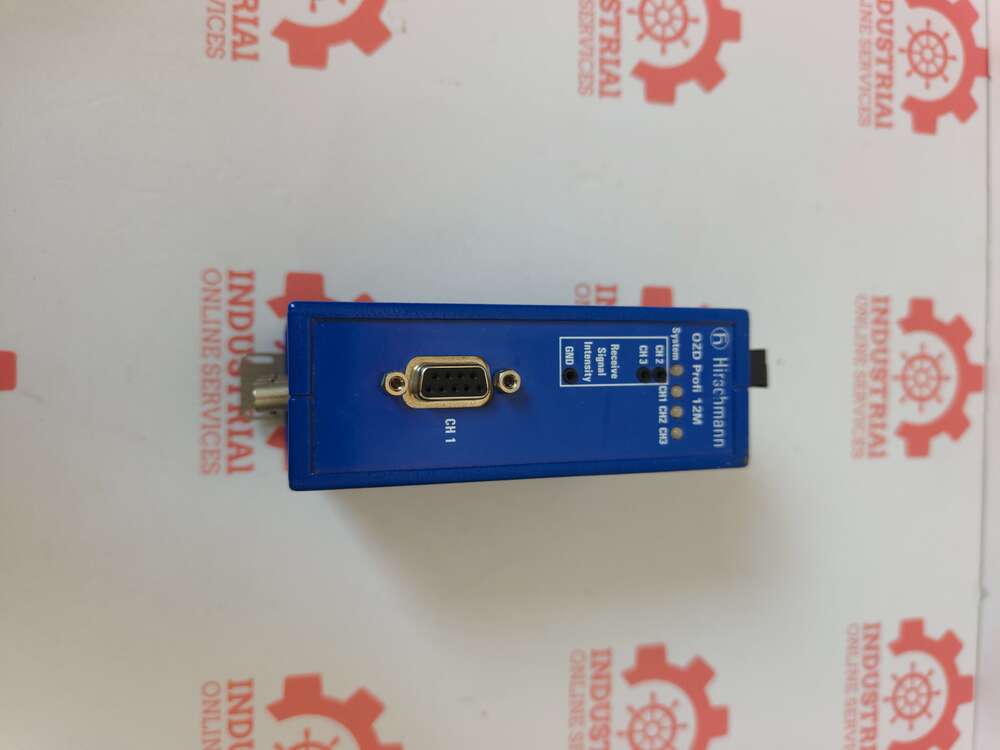
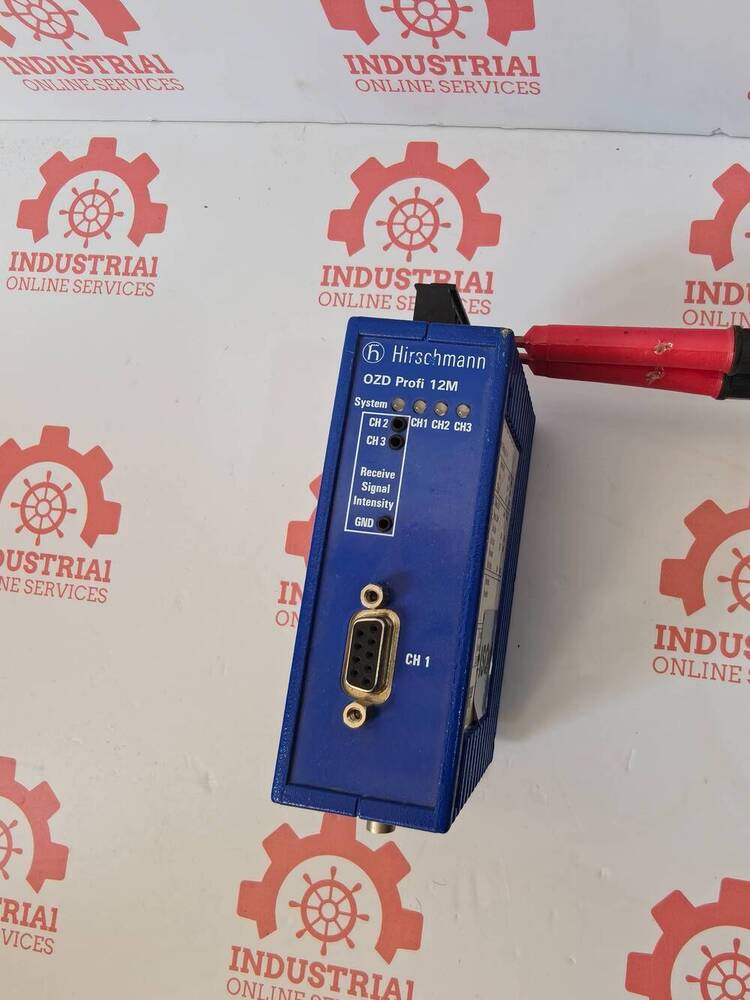
The Hirschmann OZD PROFI 12M G12 EEC is an industrialgrade electricaltooptical interface converter and fieldbus repeater designed for PROFIBUS networks Manufactured by Belden Hirschmann this module converts electrical PROFIBUS signals into optical signals for transmission over quartz glass fiber optic cables
Key Technical Specifications
Data Transfer Rate Supports communication speeds up to 12 Mbps
Port Configuration Features 3 ports in total1 electrical port SubD 9pin female and 2 optical ports 4 sockets BFOC 25STR
Topology Support Enables the design of line star and redundant ring topologies for high network availability
Power Supply Operates on a 18 V DC to 32 V DC input range
Environmental Rating Features an Extended Environmental Conditions EEC rating operating reliably between 20 C and 60 C
Industrial Certifications Approved for use in hazardous areas holding Exzone 2 Class 1 Division 2 certifications
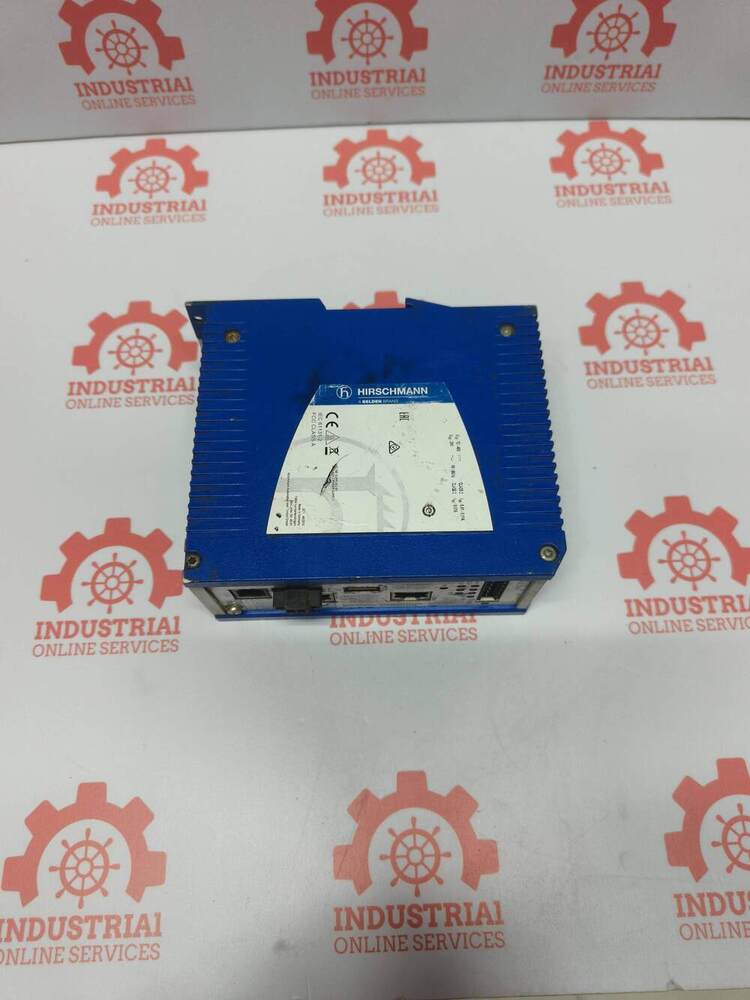
Rugged Design for Industrial UseFeaturing a sturdy metal housing and compact dimensions (100 x 70 x 30 mm), the OZD PROFI 12M G12-EEC is crafted for deployment in demanding industrial automation environments. Its IP20 protection class offers safety in controlled conditions, while the DIN-rail mounting simplifies installation within cabinet enclosures.
Seamless Profibus-Fiberoptic ConversionThis module converts electrical Profibus RS-485 signals to fiberoptic, dramatically extending network distances and improving electromagnetic interference immunity. With two ST-type fiberoptic connectors, it provides secure transmission for applications requiring high reliability and speed, up to 12 Mbps.
Intuitive Indicators for Effortless MonitoringThe built-in LEDs for power, data, and error enable rapid diagnostics and network maintenance. Operators can instantly assess device status, enabling swift issue identification and enhancing system uptime in fast-paced industrial settings.
FAQ's of Hirschmann OZD PROFI 12M G12-EEC Fiberoptic Module Profibus Interface Converter:
Q: How do I install the Hirschmann OZD PROFI 12M G12-EEC module in my automation setup?
A: Installation involves mounting the module on a standard DIN-rail, connecting the Profibus network via the 9-pin D-sub connector, and attaching fiberoptic cables to the two ST connectors. Supply 12-24 VDC power to the designated terminals, and monitor the front panel LEDs for operational status.
Q: What are the primary benefits of using this Profibus fiberoptic interface converter?
A: The main advantages include extended communication distance, enhanced immunity to electromagnetic interference, and reliable high-speed data transfer up to 12 Mbps. The fiberoptic link improves network robustness in electrically noisy industrial environments.
Q: When should I choose a fiberoptic module for Profibus applications?
A: Fiberoptic modules are ideal when your Profibus network spans considerable distances or operates in areas with high electromagnetic interference. This converter is suitable for any scenario where data integrity and network uptime are top priorities.
Q: Where can the Hirschmann OZD PROFI 12M G12-EEC be used within industrial automation systems?
A: This module can be deployed in manufacturing plants, process automation systems, and wherever Profibus-DP-based network segments need reliable fiberoptic connectivity. Its versatility makes it a valuable asset in various industries such as automotive, chemical, and utilities.
Q: What process does the module use to convert electrical signals to fiberoptic?
A: The device receives Profibus RS-485 electrical signals via its D-sub port, processes them using fiberoptic chip technology, and transmits them over fiber via the ST connectors, maintaining signal integrity over extended distances.
Q: Does the Hirschmann OZD PROFI 12M G12-EEC depend on a specific operating system?
A: No, this module operates entirely at the hardware layer and is independent of any operating system, making it universally compatible with Profibus network infrastructures.







 Send Inquiry

 Send Inquiry
 Send Inquiry
 Send SMS