SCHNEIDER EM-6400 Industrial-Grade Digital Multifunction Power And Energy Meter About
SCHNEIDER EM-6400 Industrial-Grade Digital Multifunction Power And Energy Meter
Key Specifications & Performance
- Measurement Type: True RMS tracking of current, voltage, frequency, power factor, power (active, reactive, apparent), and energy (active, reactive, apparent).
- Accuracy Class: Available in Class 1.0, Class 0.5S, and ultra-precise Class 0.2 configurations.
- Power Quality: Features built-in Total Harmonic Distortion (THD) analysis and individual harmonics monitoring up to the 15th order over network communication.
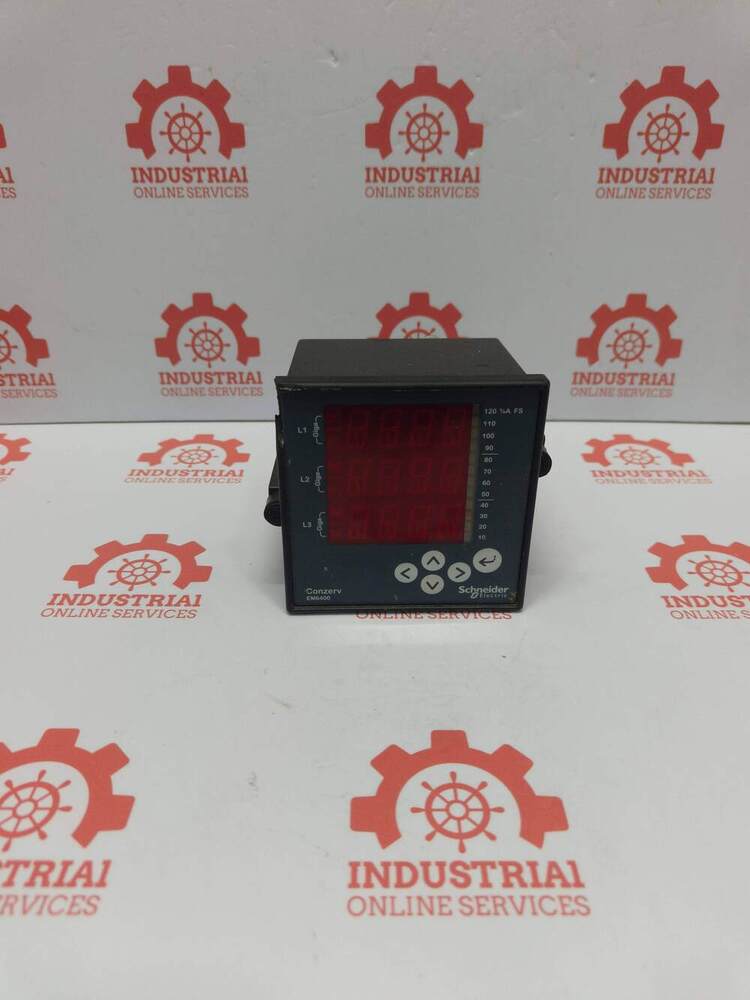
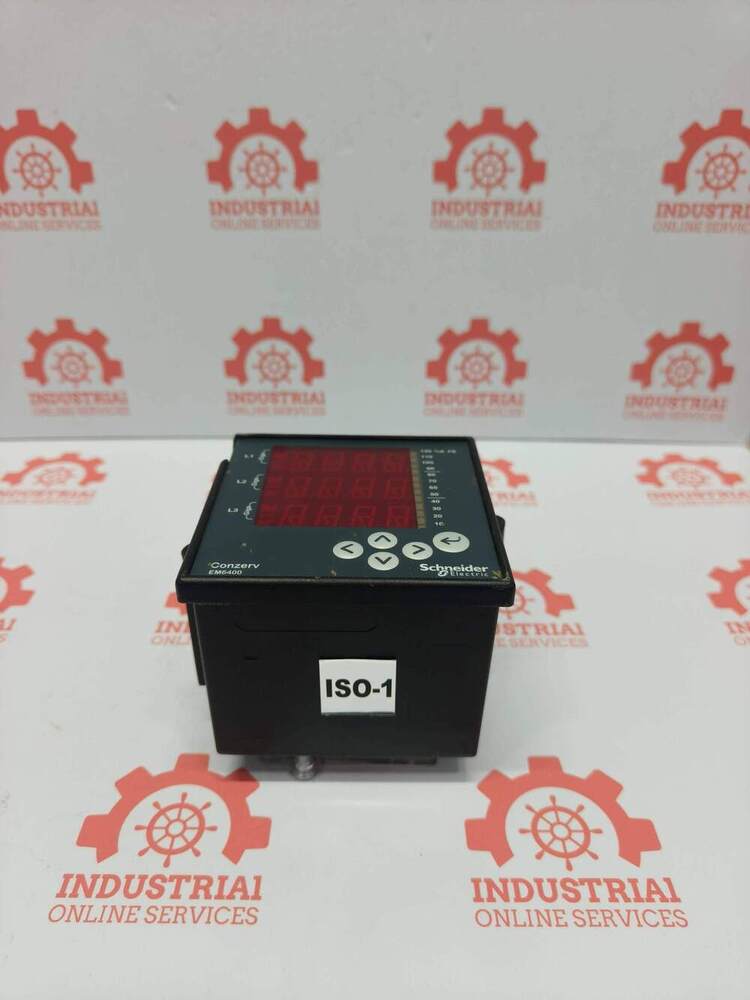
- Display: Bright 3-row, 4-digit (12 digits total) alphanumeric 7-segment LED display.
- Electrical Safety: Comprises a self-extinguishing V0 plastic body rated for IP51 protection at the front interface.
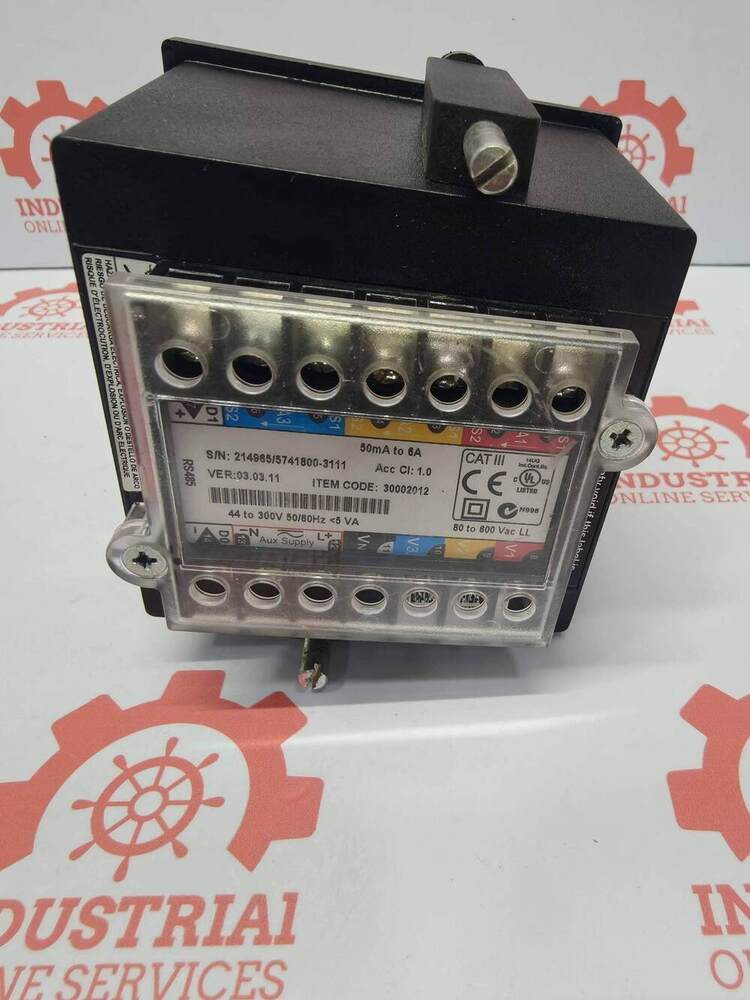
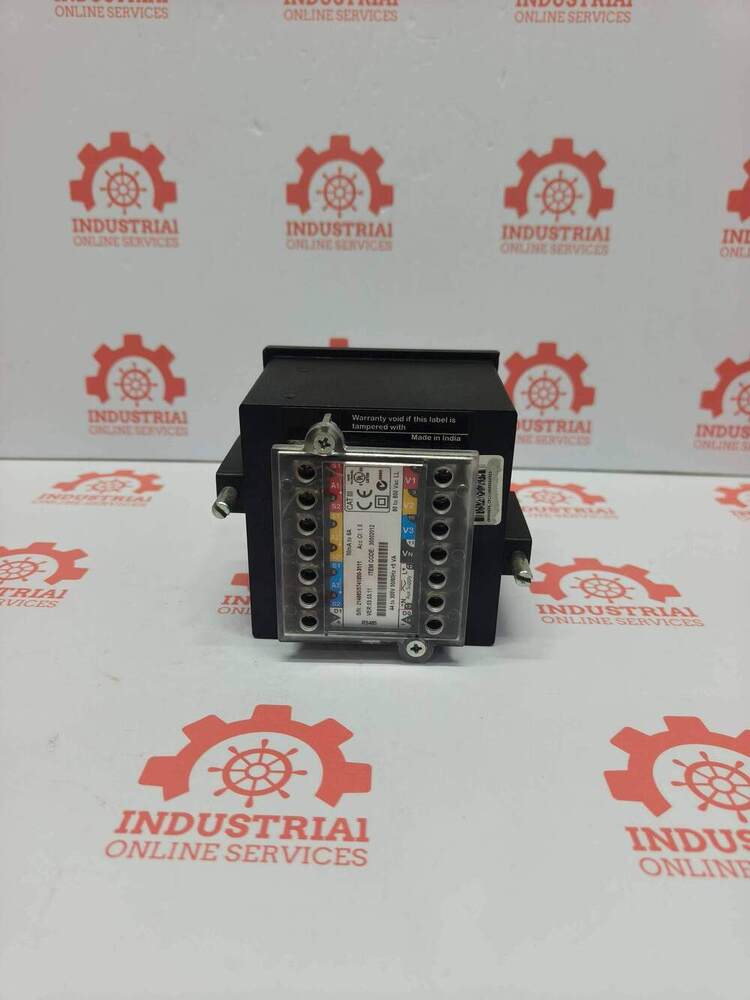
- Network Integration: Equipped with RS-485 Modbus communication protocol ports or simple pulse output configurations depending on the exact model number.
Comprehensive Power and Energy MonitoringThe EM-6400 provides thorough power monitoring for industrial facilities. It simultaneously measures voltage, current, real and apparent power, energy consumption, frequency, power factor, and harmonic distortion, giving you complete insight into your electrical systems. These measurements support informed decision-making, help optimize energy use, and minimize downtime.
Advanced Accuracy and ComplianceBuilt to comply with IEC 62053-22 and IEC 60688 standards, the EM-6400 guarantees high measurement accuracy (Class 0.5S) vital for industrial energy management. Its non-volatile memory ensures secure data retention, even during power interruptions.
User-Friendly Interface and Versatile CommunicationEquipped with a red LED 7-segment display, the EM-6400 offers clear, real-time readings. The integrated RS-485 (MODBUS RTU) interface allows seamless integration into SCADA or other monitoring systems, making remote data acquisition and control straightforward.
FAQ's of SCHNEIDER EM-6400 Industrial-Grade Digital Multifunction Power And Energy Meter:
Q: How does the SCHNEIDER EM-6400 meter ensure high measurement accuracy?
A: The EM-6400 adheres to IEC 62053-22 (Accuracy Class 0.5S) and IEC 60688 standards, delivering reliable and precise readings across all electrical parameters. Its advanced digital processing, combined with high-quality hardware, minimizes measurement errors even in challenging environments.
Q: What types of electrical parameters can the EM-6400 monitor?
A: This meter is capable of measuring voltage (V), current (A), active power (kW), apparent power (kVA), reactive power (kVAR), energy (kWh, kVAh, kVARh), power factor (PF), frequency (Hz), and total harmonic distortion (THD), providing comprehensive energy monitoring.
Q: Where is the EM-6400 most commonly installed and used?
A: The EM-6400 is designed primarily for industrial applications and is ideal for installation in panel boards of factories, manufacturing plants, and commercial buildings where monitoring three-phase and single-phase electrical systems is necessary.
Q: What is the process for mounting and commissioning the EM-6400?
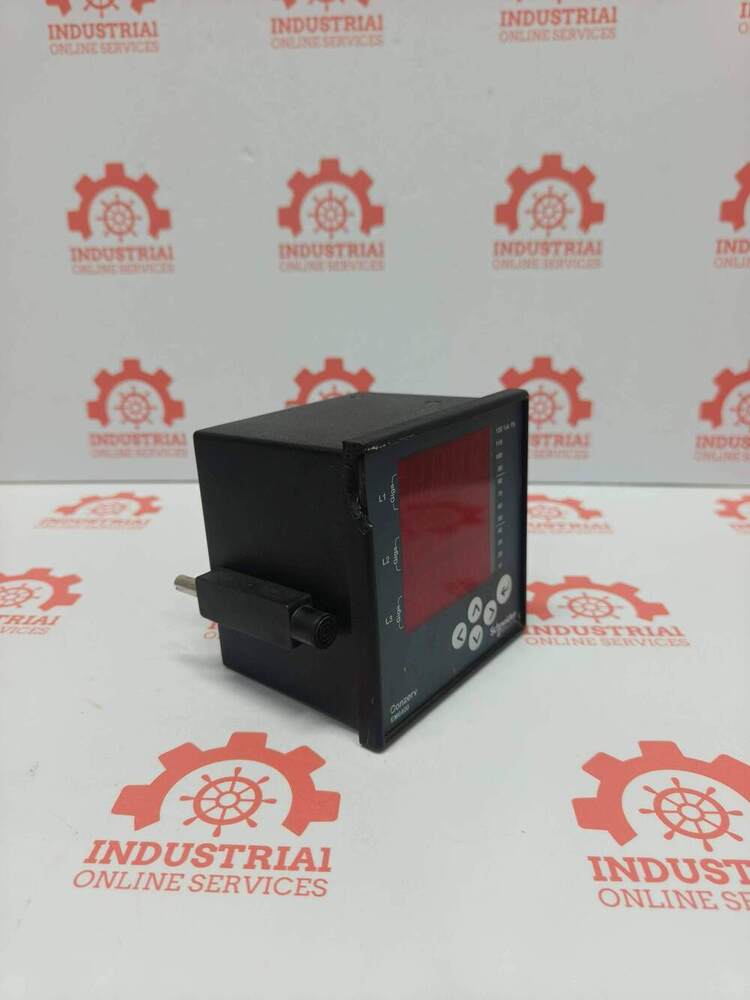
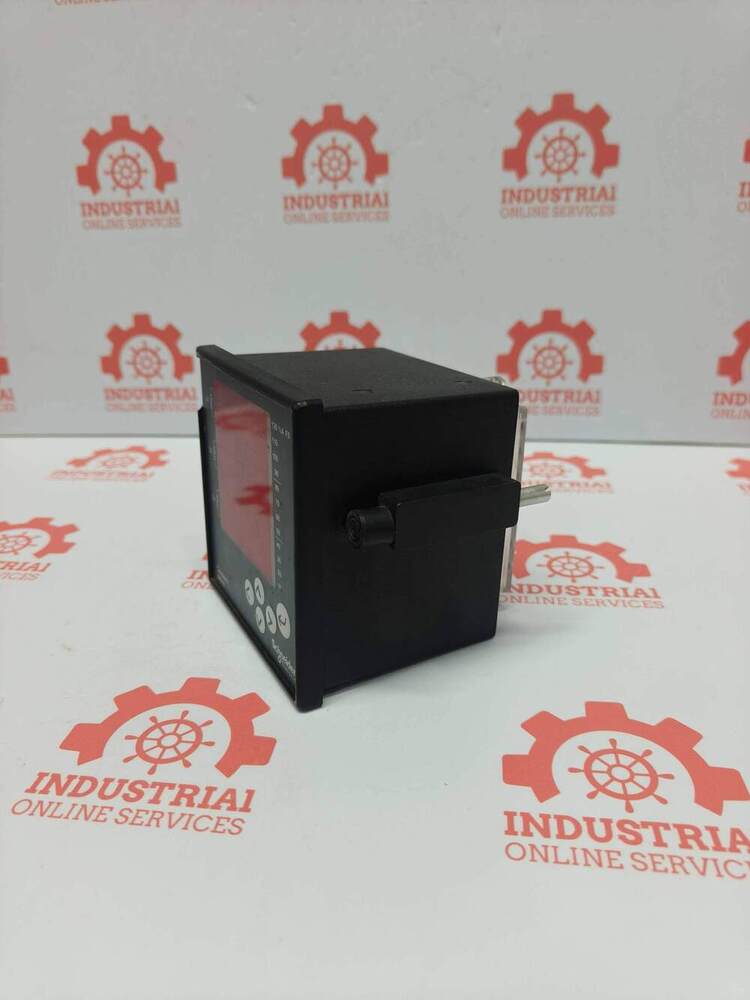
A: This model is panel-mounted using the supplied mounting clamps. Installation entails connecting either three-phase or single-phase wires, integrating current transformers for input current (1A/5A), and configuring communication settings as needed. The included user manual provides step-by-step guidance.
Q: How does the meter store and protect measured data?
A: The EM-6400 employs non-volatile memory to securely store measured data, ensuring information is retained even during power failures, thus preventing data loss and supporting consistent energy management.
Q: What are the main benefits of using the EM-6400 for industrial applications?
A: Main benefits include high measurement precision, comprehensive parameter monitoring for informed energy management, robust build quality, easy integration with monitoring systems via RS-485 MODBUS RTU, and secure data storage. This helps facilities reduce energy costs and improve operational efficiency.






 Send Inquiry

 Send Inquiry
 Send Inquiry
 Send SMS