About IDEC FC5A-D32S3 24V DC CPU Module
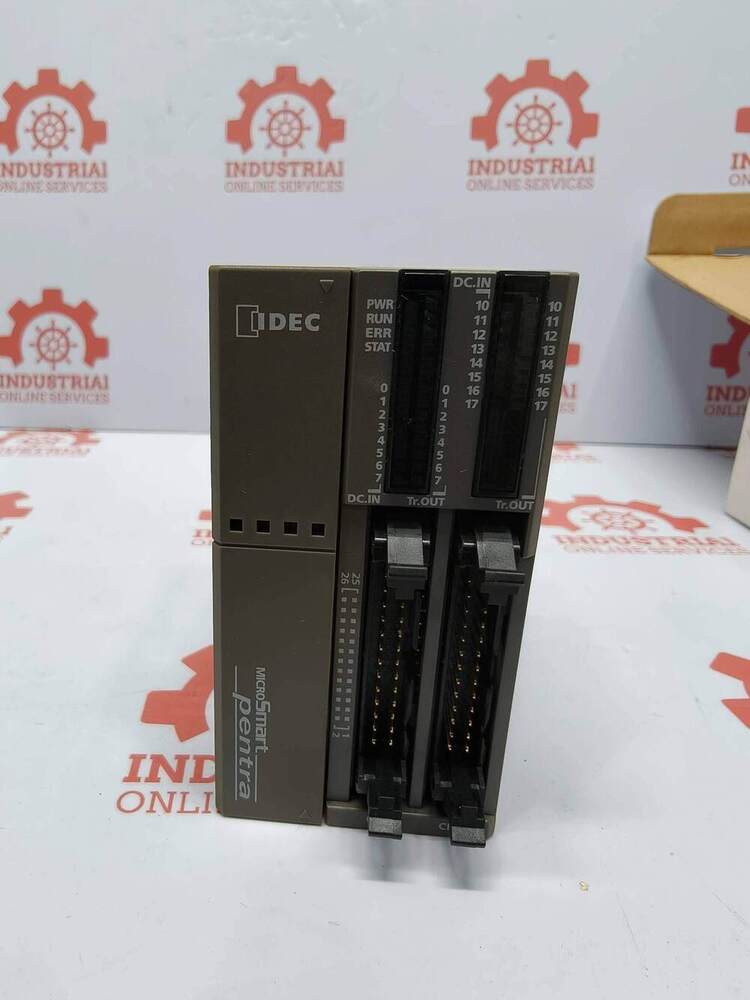
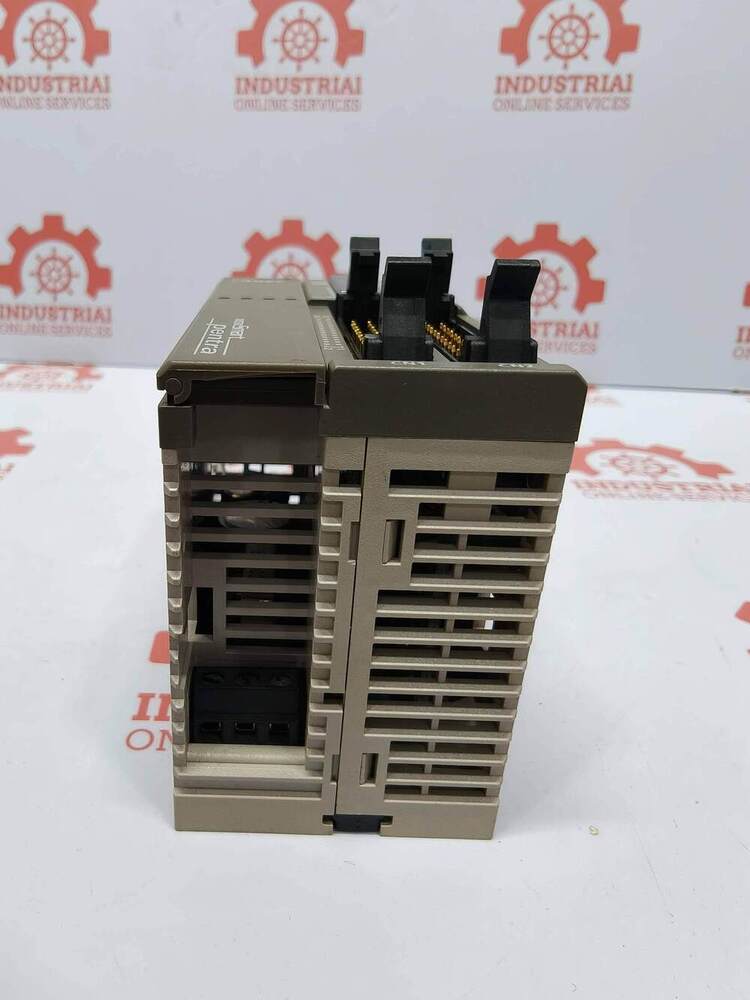
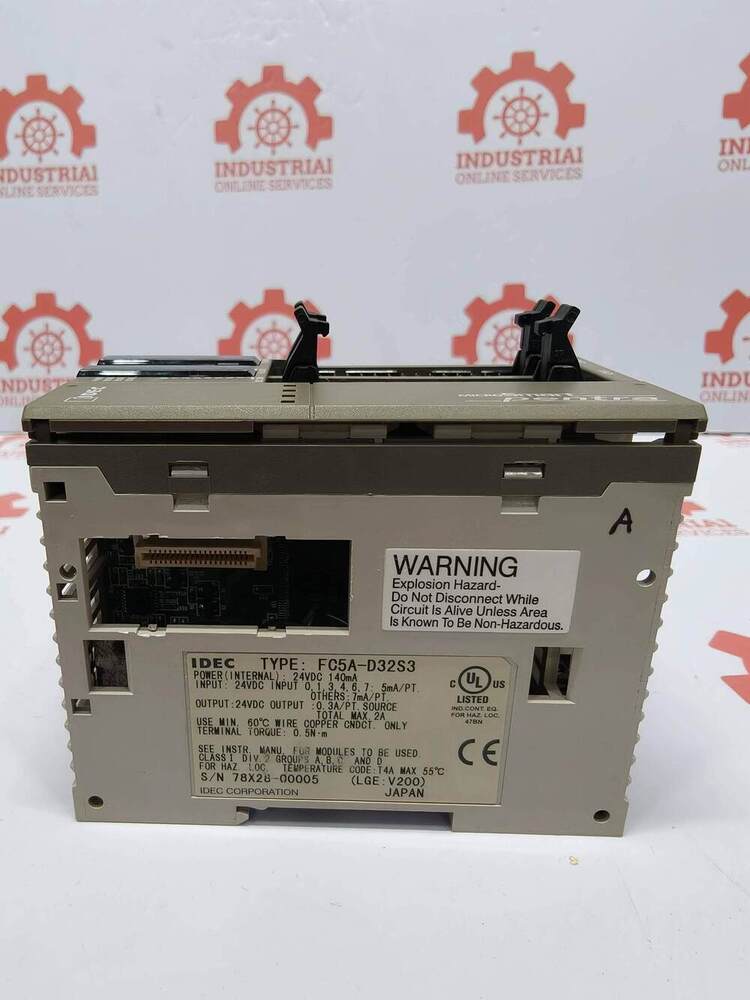
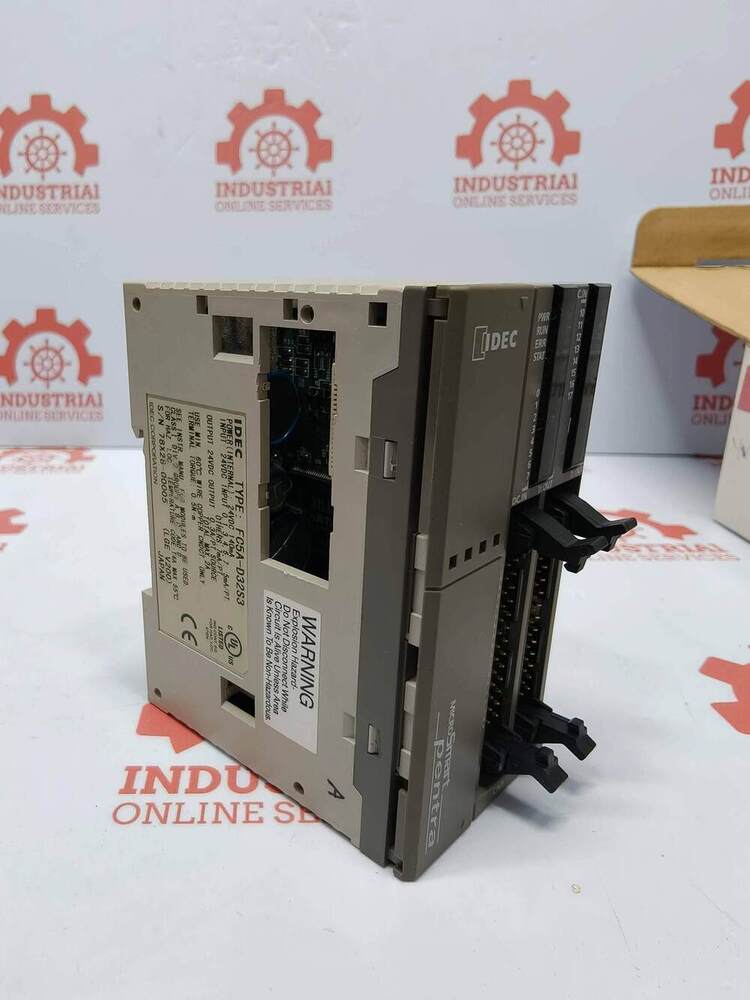
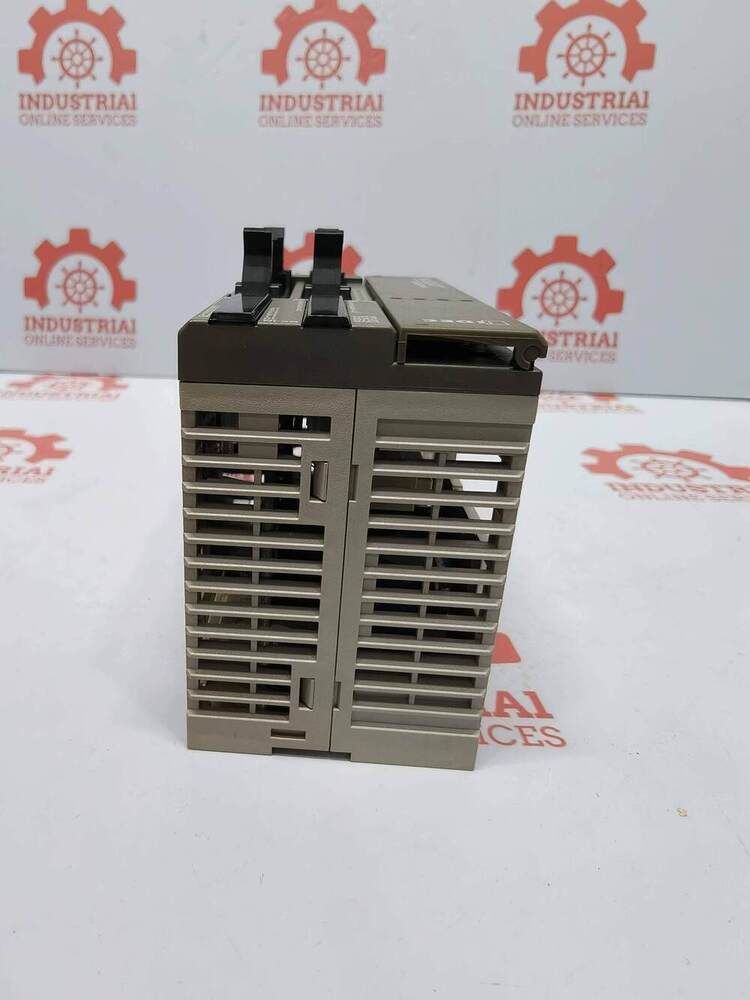
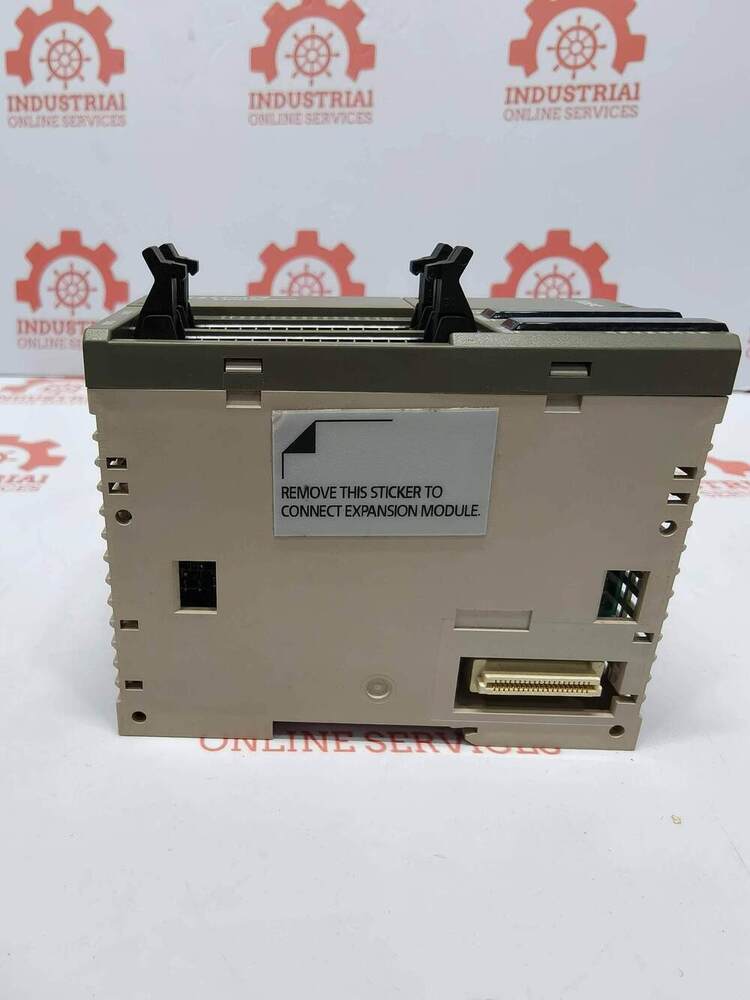
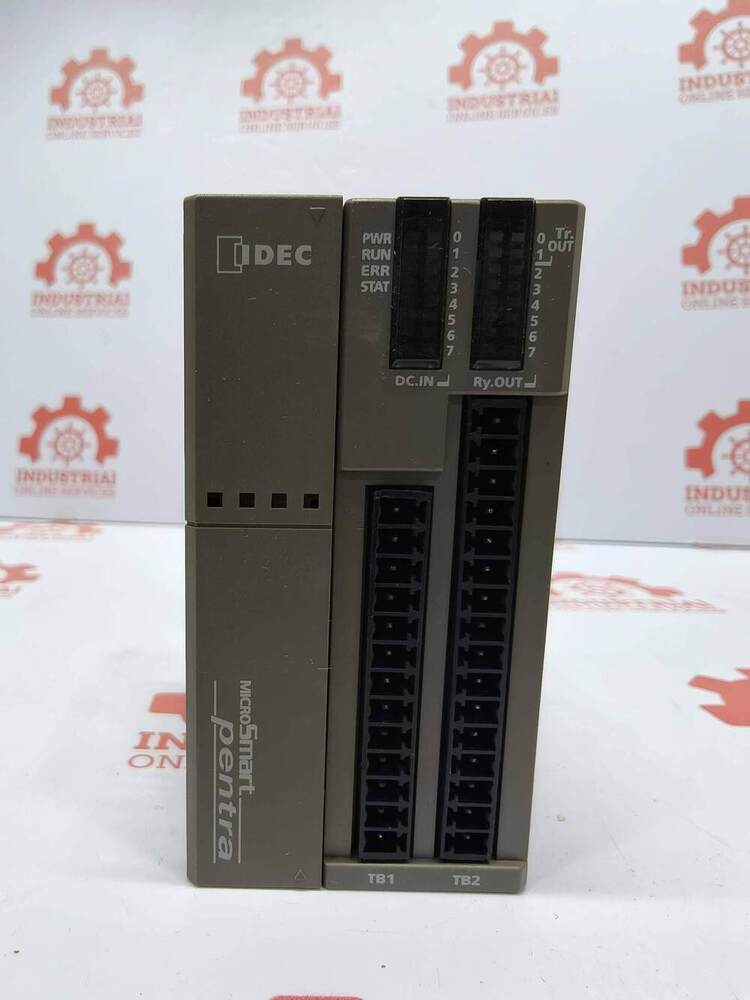
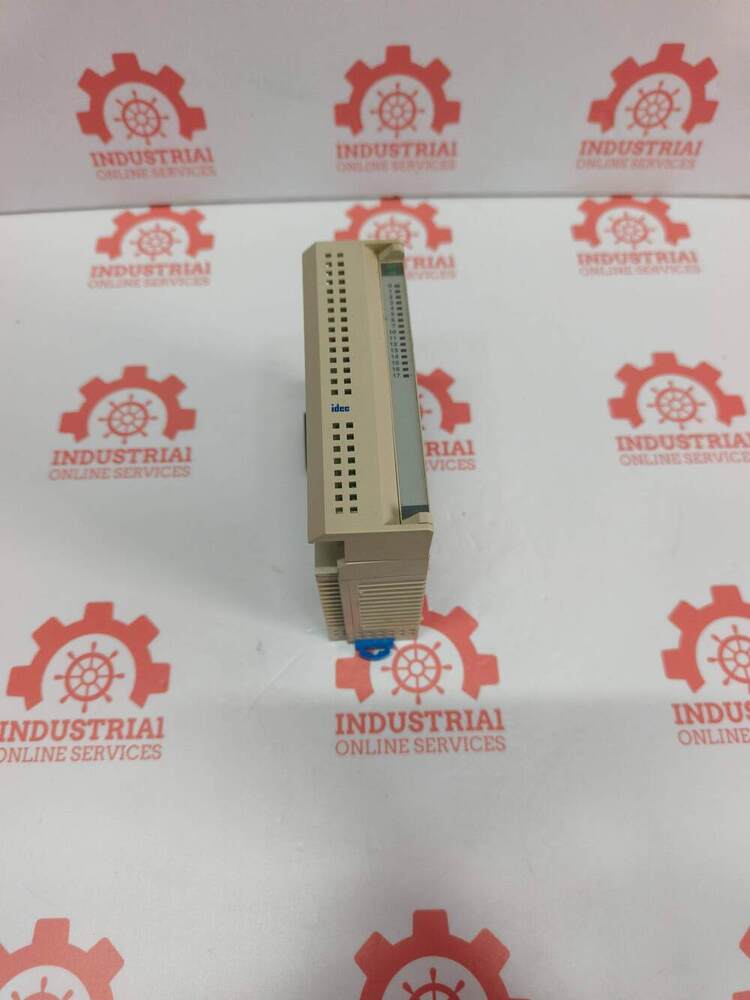
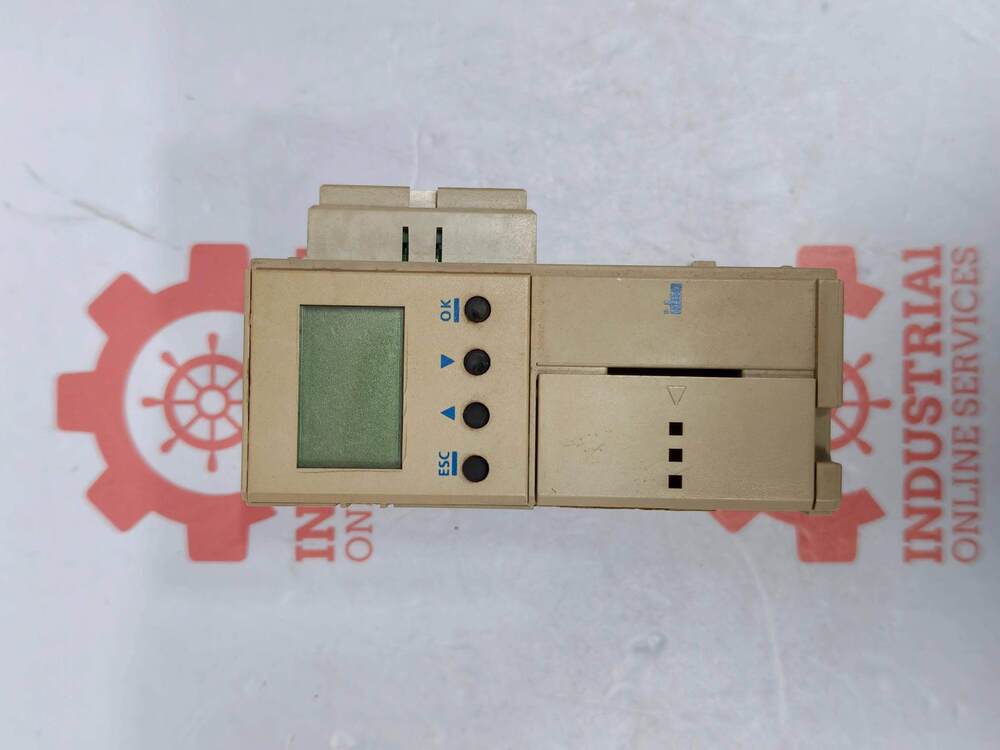
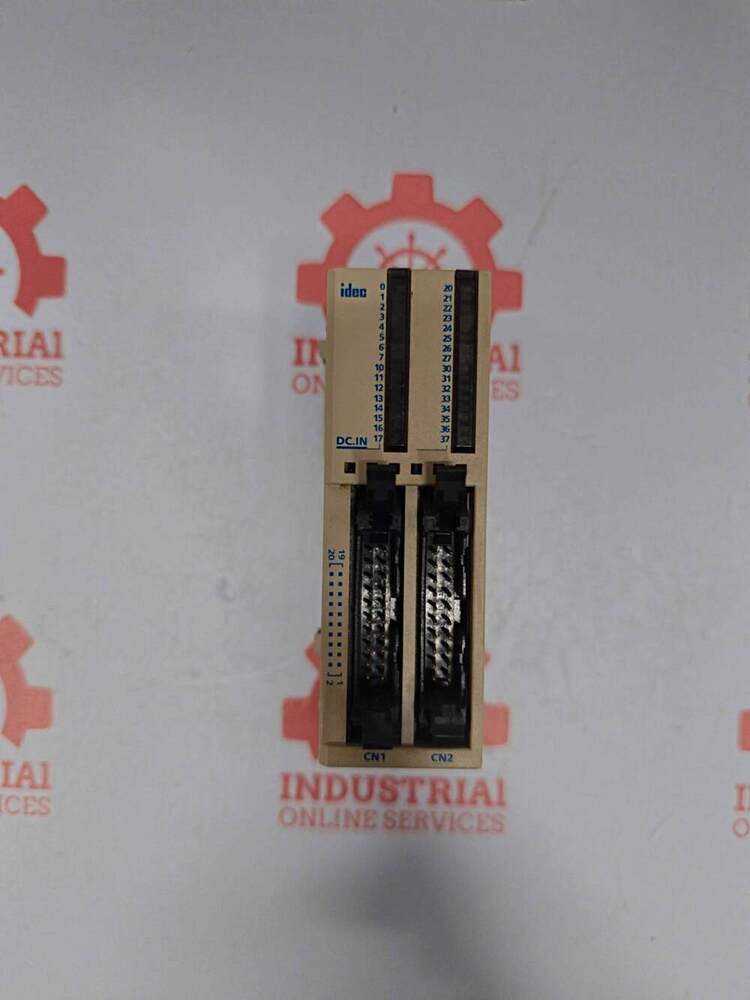
The IDEC FC5A-D32S3 is a 24V DC CPU module belonging to the IDEC MicroSmart Pentra PLC series. It is designed as a slim, high-performance microprogrammable logic controller featuring 32 digital I/O points comprised of 16 inputs and 16 transistor source outputs.
echnical Specifications
- Power Supply: 24V DC
- Total I/O Count: 32
- Inputs: 16 digital inputs (24V DC, Sink/Source configurations)
- Outputs: 16 digital transistor source outputs
- Maximum Expandability: Scalable up to 512 local I/Os via expansion modules
- Data Processing: 32-bit data and floating-point math support
- Processing Ports: Up to 7 communication ports
- Built-in Protocols: Modbus TCP/IP, Modbus RTU, and ASCII communication
- Certifications: UL, c-UL, Class 1 Division 2, CE, and ABS.
Flexible Expansion CapabilityWith its integrated 32 I/O points and support for additional expansion modules, the IDEC FC5A-D32S3 offers flexibility to accommodate larger systems or future upgrades. Whether you require more digital or analog I/O, this CPU module can scale to meet your specific industrial needs, ensuring long-term adaptability and cost-efficiency.
Reliable Communication and ProgrammingThe FC5A-D32S3 is equipped with RS232C/RS485 and USB programming ports, enabling seamless integration with various devices and straightforward programming using WindLDR software. Expandable communication options help you connect to a range of networked components, enhancing system monitoring, control, and diagnostic capabilities.
Rugged Design for Industrial EnvironmentsConstructed from industrial-grade plastic and metal, the module is built for durability, resistant to harsh conditions, and designed to operate in temperatures from 0 to 55C with high humidity tolerance. Its IP20 rating and DIN-rail-friendly form factor ensure both protection and convenient installation.
FAQ's of IDEC FC5A-D32S3 24V DC CPU Module:
Q: How do I expand the I/O capacity of the IDEC FC5A-D32S3 CPU Module?
A: You can increase the I/O capacity by adding compatible IDEC expansion modules. Simply connect them to the main CPU unit via the designed expansion ports, which allows you to customize the system based on your application's requirements without replacing the core unit.
Q: What programming software is used with this PLC, and how is it connected?
A: The FC5A-D32S3 uses WindLDR programming software. You can connect your PC to the CPU module either through the integrated USB programming port or via RS232C/RS485 serial interfaces, providing flexibility for setup and configuration.
Q: When should I choose relay or transistor outputs for this module?
A: Relay or transistor outputs depend on the specific requirements of your application. While the CPU module itself does not have a built-in output type, you can select expansion modules offering either relay (for general switching and isolation) or transistor (for faster, high-frequency switching) outputs as needed.
Q: Where is the IDEC FC5A-D32S3 typically installed in an automation setup?
A: This CPU module is designed for DIN rail mounting within control panels used in industrial automation, machine control, and process automation. Its compact dimensions make it ideal for space-limited enclosures.
Q: What is the process for installing and starting up the FC5A-D32S3 module?
A: Mount the module securely on a DIN rail, connect input power (24V DC), wire the necessary I/O points, and attach expansion modules if needed. Program the module using WindLDR via USB or RS232C/RS485 before commissioning for operation.
Q: How does flash memory benefit this CPU module's operation?
A: Flash memory ensures that your program data is securely retained even during power loss or shutdowns, eliminating the need for a battery and enhancing long-term reliability in mission-critical industrial applications.
Q: What are the main advantages of using the FC5A-D32S3 in industrial environments?
A: This module offers high operational efficiency, reliable memory backup, flexible expansion, and robust build quality. Its versatile communication options and ease of programming provide significant advantages in various automation and control processes.






 Send Inquiry


 Send Inquiry
 Send Inquiry
 Send SMS
 Call Me Free
